

Tel :+86 - 17718123415
Email:info@sailsolaress.com
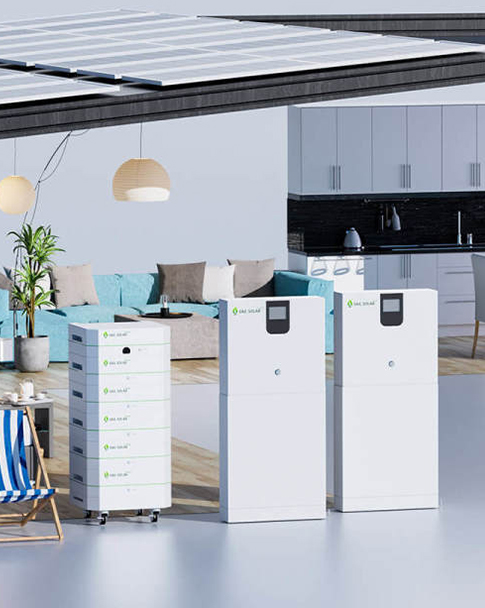
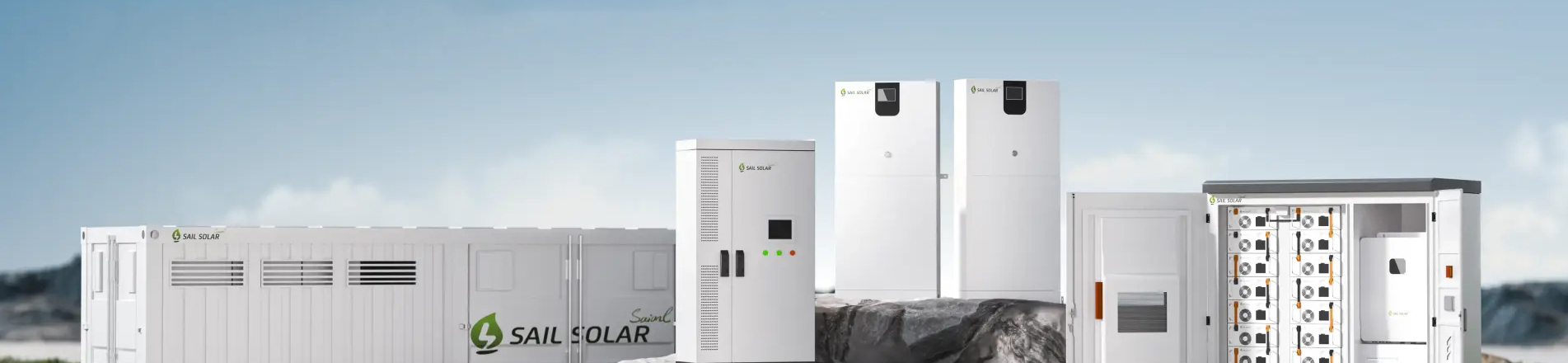
Reports indicate that in the first half of 2025 alone, Chinese energy storage companies signed 199 new overseas orders, exceeding 160 GWh, a year-on-year increase of 220.3%.
Behind this surge in orders lies a long-standing electricity demand gap, such as the aging US grid, grid connection challenges for photovoltaic (PV) power in Europe, and power shortages in the Middle East, Southeast Asia, and Africa. And energy storage is playing a diversified role, integrating into the energy landscape of various regions.
01 Europe: An Inevitable Choice Amid Grid Connection Bottlenecks and Electricity Price Fluctuations
Europe is a pioneering region for distributed photovoltaic (PV) power, possessing a large installed capacity of PV on the distribution side. However, this has also exposed the shortcomings of traditional grids in integrating a high proportion of distributed renewable energy—electricity cannot be effectively transmitted from power plants to load centers, leading to local grid congestion during peak hours, causing supply-demand imbalances and energy waste. Energy storage has become the only solution: by configuring batteries on the user side, excess PV power generated during the day can be stored, thereby reducing the surge in electricity transmitted to the grid during peak hours, and releasing energy during the evening peak hours to balance the load.
02 North America: The Damaged "Pants" Need Repair
In recent years, the United States has seen astonishing growth in energy storage capacity: by the end of 2024, the US added approximately 37.1 GWh of energy storage capacity, a year-on-year increase of about 34%, making it the world's second-largest energy storage market. At the same time, aging grid equipment and insufficient investment in transmission networks have led to frequent grid failures and regional blackouts. In some areas, new grid-connected projects even have to wait several years to be completed. Energy storage has become an indispensable "rigid patch"—whether as a peak-shaving and frequency-regulating asset on the grid side or as a backup power source for users, in the US, energy storage is a key requirement for ensuring stable power supply and alleviating grid pressure.
03 Middle East Market: A Bright "Guardian" Amidst Chaos
In the first half of 2025, the Middle East accounted for 23.4% of Chinese energy storage companies' overseas orders, ranking first among all regions with a scale of 37.55 GWh. This growth trend is mainly due to the power shortage caused by the energy crisis following geopolitical conflicts. Under the severe power supply predicament, photovoltaic + energy storage has shown great potential as an alternative to diesel power generation. For example, the Iraqi government introduced low-interest loans to encourage distributed photovoltaic energy storage, with an interest rate cap of only 2.5% and a term of up to 7 years. In early 2025, Iran's Industrial Parks Organization announced the construction of 24 dedicated solar industrial parks, focusing on supporting industrial and commercial energy storage systems to ensure industrial power supply. It is evident that Middle Eastern governments have recognized energy storage as a key player in reshaping the future of energy.
04 Southeast Asia: Self-Rescue Amid Power Shortages and Soaring Electricity Prices
In recent years, many labor-intensive industries and new energy industries have begun to shift to Southeast Asia. Vietnam is a typical example. Vietnam's rapid industrialization has led to soaring electricity demand, but the development of power sources and power grids has lagged behind, resulting in severe power shortages. In the summer of 2023, northern Vietnam experienced power rationing due to a power shortage, causing severe factory shutdowns and impacting people's livelihoods. At the same time, domestic electricity prices in Vietnam have been raised repeatedly in recent years. Under the dual pressure of high demand and high electricity prices, the electricity burden on residents and industrial and commercial users is enormous. Against this backdrop, photovoltaic + energy storage is seen by Vietnam as a key way to solve power shortages and stabilize electricity prices.
05. The African Market: A Vast Continent Brewing a Blue Ocean for Energy Storage
Africa possesses 60% of the world's solar energy resources, but suffers from extreme power scarcity, currently accounting for only 3% of global electricity generation. Many countries have low grid coverage, leaving large populations without access to electricity; even in areas with electricity, outages are frequent due to outdated equipment and insufficient fuel. Today, in addition to residents' self-generated photovoltaic energy storage, African countries are increasingly incorporating "new energy + energy storage" into their development plans. At the 2023 Forum on China-Africa Cooperation, China explicitly proposed implementing 30 clean energy projects in Africa, including assisting African countries in building distributed photovoltaic energy storage systems to alleviate local energy demand. According to the African Union's Master Plan on the Power System of the African Continent, Africa's total installed power generation capacity is projected to increase from the current 260GW to nearly 1200GW by 2040, with wind and solar power accounting for approximately 38%. The role of energy storage in absorbing such a massive amount of wind and solar power is self-evident.
The explosive growth in global energy storage orders is evident, but the reason for those soaring figures has never been solely due to policy or environmental concepts; rather, it's because only energy storage can truly address the electricity needs of people around the world.
 IPv6 network supported
Leave A Message
Scan to Wechat :

Scan to WhatsApp :